The Resimercial Trend: Why Hotels, Clinics, and Co-Working Spaces in India Are Designing Like Homes
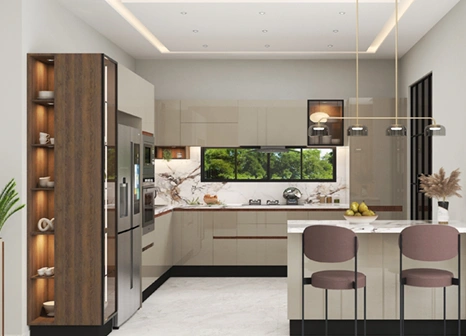
Have you ever walked into a hotel lobby and felt like you were in a cozy living room? Or perhaps you visited a modern clinic that felt more like a warm lounge than a cold medical center. This is not a coincidence. This shift in style is part of a growing movement in the world of architecture and decor. It is called resimercial design. This term combines the words residential and commercial. It focuses on making public spaces feel more private and comfortable. People in India are spending more time away from their homes. They want to feel relaxed even when they are working or traveling. This trends is changing the way we look at business interiors across the country.
What is Resimercial Design?
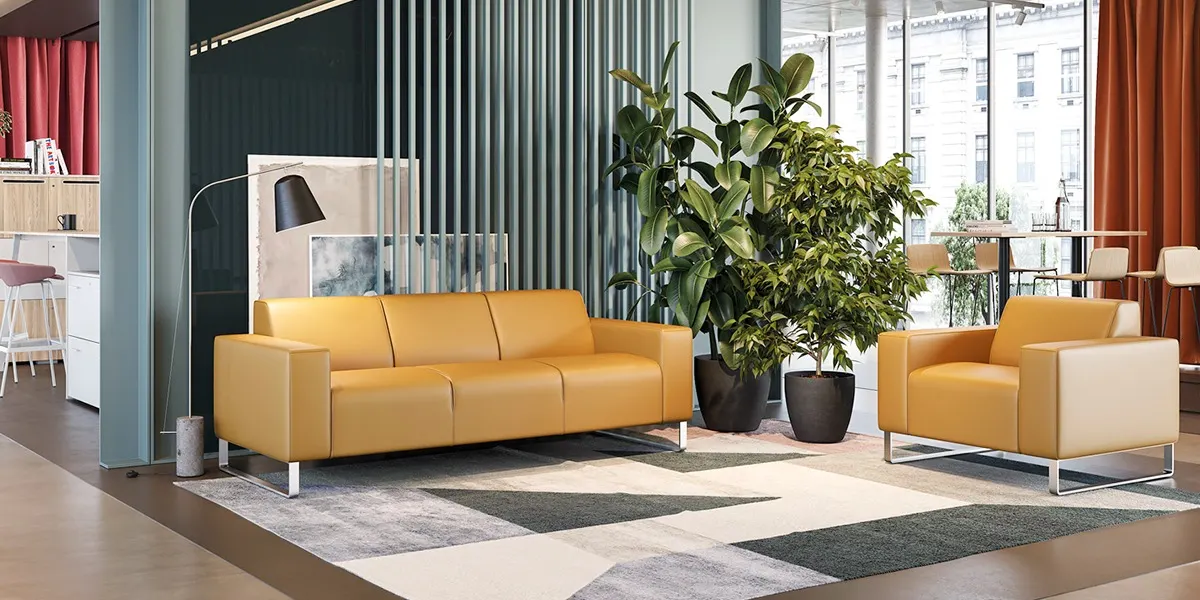
Resimercial design brings the comfort of your house into a business setting. It uses soft textures and warm lighting. It also includes comfortable seating and natural materials like wood. Many people ask if a cozy office actually helps people work better. The answer is yes. When people feel relaxed, they are often more creative and focused. This style moves away from hard plastic chairs and bright white lights. Instead, it uses rugs and plants to create a peaceful vibe. Many business owners now hire experts for home interior designing styles to fix their offices. This makes the space feel welcoming to everyone who enters.
The Rise of Cozy Co-Working Spaces
Working from a desk all day can be tiring. Co-working spaces in India are changing this experience. They want to offer the best of both worlds. You get professional tools in a setting that feels like a den. This helps reduce stress during a busy workday.
- Soft Seating Areas: These spaces use plush sofas and armchairs instead of rigid office chairs. This allows workers to change their posture and stay comfortable for longer periods.
- Kitchen Hubs: Modern offices now include large communal tables. These look like dining tables found in a typical home interior design setup. They encourage people to talk and share ideas.
- Natural Elements: Many co-working hubs use indoor gardens and large windows. According to a study by Cornell University, natural light reduces eye strain and headaches for workers by 84%.
- Personal Touches: These spaces often feature bookshelves and art. These items make the office feel less like a factory and more like a creative studio for professionals.
Why Clinics are Softening Their Look
Visiting a doctor can be a scary experience for many. Cold rooms and metal chairs can increase anxiety. Clinics in India are now using resimercial design to help patients feel safe. A calm environment can actually help people heal faster.
- Warm Color Palettes: Instead of clinical white, designers use earth tones. These colors make the waiting room feel like a friendly living room.
- Private Nooks: High-back chairs provide a sense of privacy. This is very important for patients who may feel vulnerable while waiting for their appointments.
- Biophilic Design: Research from Texas A&M University shows that looking at nature can lower blood pressure. Many clinics now use green walls to calm patients.
- Functional Decor: We often suggests using lamps instead of overhead tubes. This creates a soft glow that helps patients relax before seeing a doctor.
_uVY6BA9b2o.webp)
_ChDZmM5m4Z.webp)
Hotels That Feel Like a Second Home
Travelers no longer want a standard hotel room. They want a space that feels personal. Hotels are now focusing on small details to make guests feel at home. This is very popular in boutique hotels in cities like Delhi and Mumbai.
- Living Room Lobbies: The lobby is no longer just for checking in. It is now a place to hang out. It features coffee tables and soft rugs for a relaxed vibe.
- Customized Furniture: High-end hotels often use bespoke furniture to stand out. These unique pieces offer a level of comfort that mass-produced items cannot match.
- Residential Layouts: Suites are being designed with separate areas for sleeping and lounging. This mimics the layout of a standard house for a better guest experience.
- Ambient Lighting: Smart lighting systems allow guests to change the mood. This mimics the control people have over the lighting in their own bedrooms.
The Role of Professional Designers
Creating a resimercial space is not easy. It requires a balance between durability and comfort. Commercial spaces have a lot of foot traffic. The materials used must be strong but still look soft. People often ask how they can get this look for their own business. The best way is to work with experts who understand both worlds. We specializes in creating these balanced environments. They know how to choose fabrics that look like home but last like commercial-grade materials. If you want a space that stands out, you need the best interior designers in Delhi NCR to help you plan.
How Design Impacts the Bottom Line
The demand for comfortable commercial spaces is growing fast. A report by the World Green Building Council mentions that better office designing can increase productivity by 11%. Another interesting fact is about healing environments. Dr. Roger Ulrich found that patients with a view of trees recovered 8.5% faster than those facing a brick wall. This shows that the look of a room has a real impact on our bodies. As Louis Kahn once said, "A room is not a room without natural light." This philosophy is at the heart of the resimercial trends. It focuses on human needs over purely functional needs.
Making the Transition to Resimercial
Are you wondering if your business should try this trend? Most modern brands are moving in this direction. It helps with brand loyalty and employee happiness. When a space feels like home, people want to stay longer. This is great for cafes, retail stores, and even banks.
- Texture Over Gloss: Use matte finishes and woven fabrics. These materials feel better to the touch and look more expensive than shiny plastic.
- Zoning with Rugs: Use large area rugs to define different parts of a room. This is a common trick used in home interior design to make large spaces feel cozy.
- Acoustic Comfort: Use soft materials to soak up noise. Quiet spaces are much more inviting than echoey halls.
- Smart Layouts: Saysha Interiors focuses on flow. A good layout ensures that people can move easily while still feeling tucked away and safe.
Creating Spaces Where People Truly Belong
The resimercial trend is here to stay. It reflects a shift in our culture. We no longer want to separate our lives into strict boxes. We want comfort everywhere we go. Whether it is a clinic or a co-working hub, the focus is now on the human experience. By using elements of residential design, businesses can create a lasting bond with their users. It makes the world a little softer and a lot more welcoming. If you are looking to upgrade your space, remember that comfort is the new luxury. Professional design helps turn a cold building into a place where people truly want to be.
References
- Cornell University (Natural Light and Productivity): cornell.edu / dimensions-ohs.com (2018)
- Texas A&M University (Biophilic Design and Blood Pressure): tamu.edu / urbannext.net
- World Green Building Council (Productivity Statistics): worldgbc.org (2014/2016 Update)
- Dr. Roger Ulrich (Healing Environments): Ulrich, R.S. (1984). Science, 224, 420-421. scirp.org
- Louis Kahn (Industry Quote): Yale University / Various Architectural Archives (.edu)
- Saysha Interior (Company Details): saysha.in
FAQs
1. What are the most important elements of a resimercial office?
The core of this style is a mix of comfort and utility. Key elements include bespoke furniture like modular sofas, ambient lighting such as floor lamps, and natural materials like wood or stone. It also focuses on "zoning," which uses rugs and plants to create separate areas for quiet work and social interaction without using solid walls.
2. How does resimercial design benefit businesses in India?
In a competitive market like India, this design helps companies attract and keep top talent. When employees feel as comfortable as they do at home, their stress levels drop. For clinics and hotels, Saysha Interiors notes that this style builds trust and loyalty, as customers feel more like "guests" than just "clients" in a sterile environment.
3. Is resimercial furniture durable enough for high-traffic areas?
Yes, but it requires careful selection. True resimercial design uses "contract-grade" materials that look like residential fabrics but are tested for heavy use. Professional experts, like the best interior designers in Delhi NCR, choose textiles that are stain-resistant and frames that can handle hundreds of users while still feeling soft and welcoming.
4. Can I implement home interior design ideas in a small commercial space?
Absolutely. In smaller offices or clinics, you can use "residential" touches like wall art, warm-toned LED lighting, and indoor greenery. Small changes, such as replacing plastic chairs with upholstered ones or adding a cozy coffee station, can make a tiny space feel much more inviting and professional.
5. Why is lighting so important in this design trend?
Lighting is the quickest way to change the "mood" of a business. Harsh fluorescent tubes often create a cold, industrial feeling. Resimercial design uses layered lighting, which includes task lights, pendant lamps, and natural sunlight. This mimics a home interior design setup, which helps reduce eye strain and makes the environment feel warm and safe.
 Written by saurabh kumar