Open Kitchen vs. Closed Kitchen: A Practical Guide for Indian Apartments in 2026
Choosing the right layout for your cooking space is a big decision. Urban homes are changing fast, and space is limited. Should you open your cooking area to the living room or keep it behind walls? This guide compares both styles to help you choose the best layout for your daily lifestyle. Are you wondering how to make your small flat look bigger? Do you feel isolated from your family while cooking meals? Many homeowners ask these questions when planning their spaces. We will answer these doubts by looking at practical design choices.
The Rise of Open Kitchens
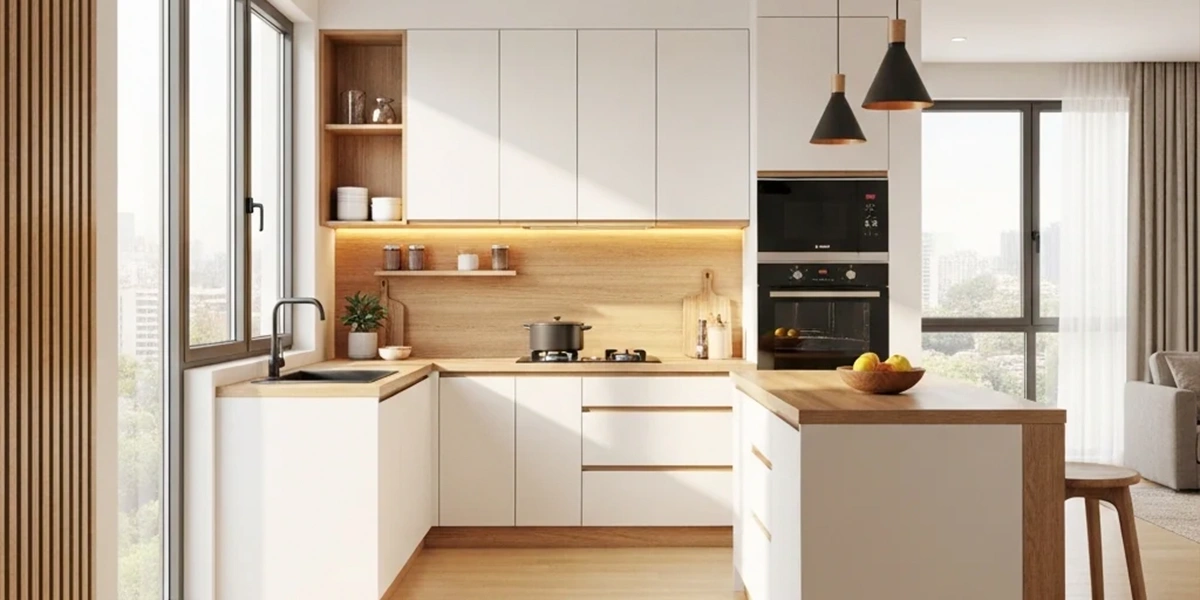
Open kitchens are very popular in modern apartments. They remove the walls between the cooking area and the living room. This creates a large, connected space for the family.
- Spacious Feel: Removing walls allows natural light to flow freely. This makes compact Indian apartments feel much bigger and brighter than they are.
- Social Connection: You can cook while talking to guests or watching television. Parents can also keep an eye on children doing homework in the living room.
- Modern Style: This layout looks very trendy and premium. It blends seamlessly with the living area, creating a beautiful and continuous interior theme across the home.
According to a report by TechSci Research, over 65% of urban homebuyers prefer customizable, space-saving layouts due to shrinking apartment sizes. An open plan fits this need perfectly.
The Practical Value of Closed Kitchens
Closed kitchens are the traditional choice in India. They keep the cooking space separate from the rest of the house. This layout has specific benefits for Indian households.
- Odour Control: Indian cooking uses many spices and heavy frying. A closed space keeps strong smells and oil smoke from entering the living room.
- Hidden Clutter: Cooking can get messy, especially during busy mornings. You can simply shut the door and hide the unwashed dishes from unexpected guests.
- More Storage: Having four walls means you get more vertical space. You can install extra cabinets to store heavy utensils, grains, and large appliances easily.
Key Factors to Consider for Your Home
How do you choose between the two options? It depends on your cooking habits, family size, and how you use your home.
- Cooking Style: If your daily cooking involves heavy tadka or deep frying, a closed layout is better. It confines heat, noise, and smoke to one room.
- Entertainment Needs: If you love hosting parties, an open space keeps you connected. You can serve hot food straight from the counter to your guests.
- Maintenance Time: Open spaces require constant cleaning because everything is visible. Closed spaces give you more flexibility with your cleaning schedule.
The Role of Smart Cabinet Systems
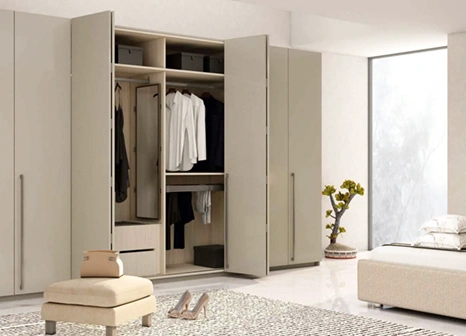
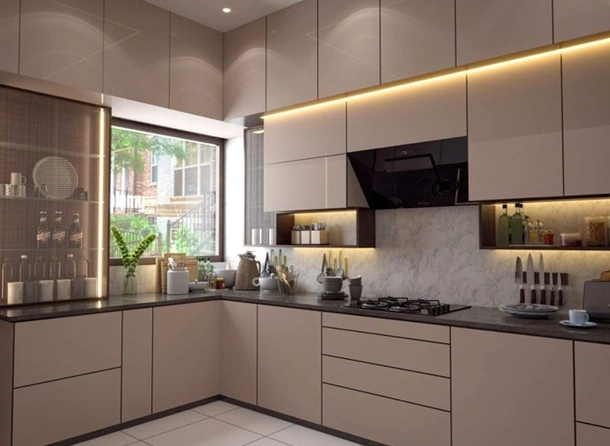
No matter which layout you select, proper storage planning is essential. Modern homes rely heavily on smart modular kitchen and wardrobes to maximize limited apartment space.
According to Mordor Intelligence, the Indian modular kitchen market is growing rapidly in 2026, driven by a 24.12% growth rate in parallel or galley layouts for compact homes. Homeowners are moving away from traditional carpentry. They now prefer factory-made modular kitchen and wardrobes because they offer better quality, durability, and standard warranties.
"Modern Indian homes need a balance of visual appeal and high utility," says Gopal Dwivedi, a seasoned interior design consultant. "Using customized modular kitchen and wardrobes helps utilize every corner efficiently, making the home functional."
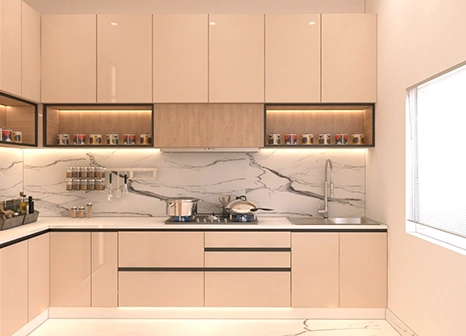
When you plan a renovation, looking at an integrated modular kitchen wardrobe design ensures that your kitchen cabinets match your bedroom storage. This creates a uniform look throughout the apartment. High-quality modular kitchen and wardrobes offer soft-close drawers and pull-out trays that make daily tasks much smoother.
Finding the Middle Ground
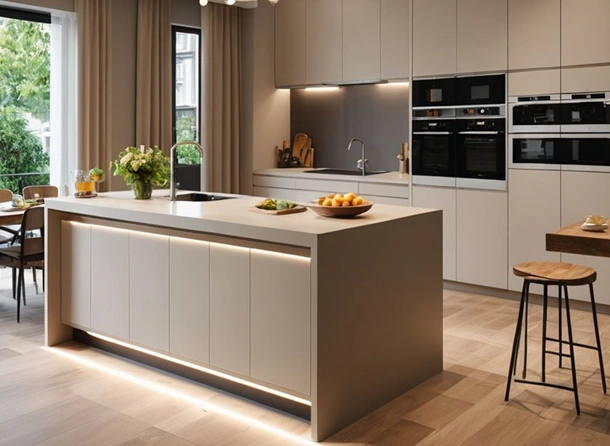
Is there a way to get the best of both worlds? Many smart homeowners are now choosing semi-open layouts for their apartments.
- Glass Partitions: You can use sliding glass doors between the spaces. This keeps the visual openness but blocks the cooking noise and strong smells.
- Breakfast Counters: A low partition wall can act as a casual dining spot. It hides the messy countertop while keeping the room connected to the hall.
- Serving Windows: A small window cut into the wall allows you to pass dishes easily. It maintains privacy while offering a semi-open feel.
When designing these custom solutions, consulting experts like Saysha Interiors can make the process easy. Their team helps select the right materials that withstand heat and moisture. By choosing Saysha Interiors, you get smart layouts tailored specifically to your family size and cooking habits.
Crafting Your Perfect Culinary Space
Both layouts have clear benefits. Open kitchens offer a bright, modern look and great social connectivity. Closed kitchens provide excellent privacy, noise control, and extra storage space.
Assess your daily routine before making a final decision. If you want a stress-free design experience, let Saysha Interiors transform your apartment with the perfect layout today.
References
- TechSci Research Report: India Modular Kitchen Market Size, Share, Trends and Forecast 2031F.: https://www.techsciresearch.com
- Mordor Intelligence Report: India Modular Kitchen Market Size, Share & Growth Research Report (2026 - 2031).: https://www.mordorintelligence.com
FAQs
1. Which kitchen layout is better for a small Indian apartment?
For compact apartments, an open or semi-open layout is generally better because it removes physical barriers, allowing light to flow and making small footprints look spacious. However, if you cook daily with heavy spices and want to maximize vertical wall storage, a parallel closed modular kitchen layout works exceptionally well.
2. How can I control cooking odours and smoke in an open kitchen layout?
You can control smoke and strong tadka aromas by installing a high-suction electric chimney (at least 1200 to 1500 $m^3/hr$ suction power) directly above your hob. Keeping large windows nearby and using half-glass sliding partitions also helps block air draft from moving into the living room.
3. Do open kitchens require more maintenance than closed kitchens?
Yes, open kitchens demand higher regular maintenance because your entire cooking countertop, sink area, and appliances are visible from the living room. Closed kitchens give you the flexibility to shut the door on unwashed dishes or temporary morning mess when unexpected guests arrive.
4. What is a semi-open kitchen design, and how does it work?
A semi-open kitchen uses clever design elements like sliding glass doors, breakfast counters, or partition screens to separate the cooking zone from the living room. It gives you the spacious, airy feel of an open plan while providing a physical shield to contain noise, steam, and food odours.
5. Why should I choose factory-made modular cabinets over local carpenter work?
Factory-made cabinets offer precision engineering, seamless edge-banding, and moisture-resistant materials that local carpentry cannot match. They optimize every inch of storage with smart hardware like pull-out trays or corner units and usually come with a reliable brand warranty.
 Written by saurabh kumar