Multi-Mood Rooms: How to Design One Space That Works for Work, Rest, and Everything In Between
The way we use our homes has changed a lot lately. Many people now use one room for many different tasks. You might answer emails at the same desk where you later drink tea. You might exercise in the same area where you watch movies. Making one room work for everything is a big challenge. It requires careful planning to make sure the space feels right for each activity. If the design is wrong, you might feel stressed while resting or tired while working. This guide helps you create a home that adapts to your needs throughout the day.
Smart Zoning for Flexible Living
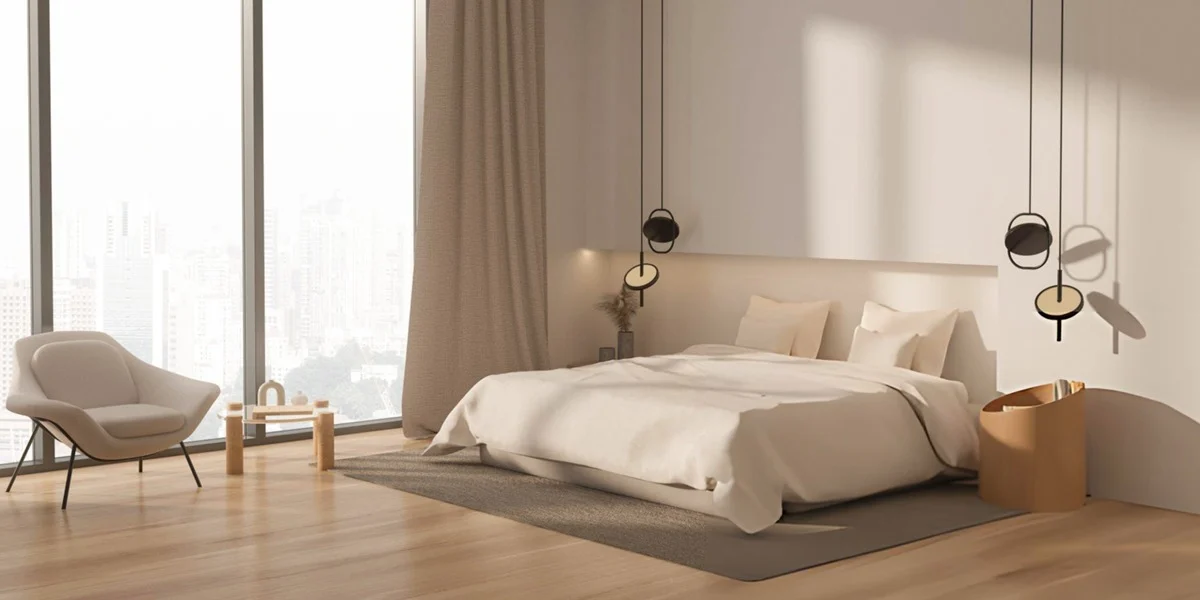
Can a single space truly handle both high-energy work and deep relaxation? The answer lies in how you divide the area. You do not need walls to create separate zones. You can use visual cues to tell your brain what to do in each spot.
- Use area rugs to define different sections of the rooms. A soft rug under the sofa marks a relaxation zone, while a flat weave rug works well under a desk.
- Place tall bookshelves or open cabinets perpendicular to the wall. This creates a physical barrier between your office chair and your bed without blocking the natural light in the rooms.
- Change the floor textures to signal a shift in mood. Mixing wood floors with plush carpets helps the living room interior design feel organized and purposeful for various daily tasks.
Choosing Versatile Furniture
What makes a room feel completely different just by changing the furniture layout? Using pieces that serve more than one purpose is the key. You want items that can hide away or transform when they are not needed. This keeps the space from looking cluttered or messy.
- Pick a coffee table that has a lift-top feature. This allows you to turn your couch area into a comfortable workstation or a dining spot within seconds for a modern living room design.
- Select nesting tables that you can spread out when guests arrive. You can't tuck them away easily to clear floor space for a morning yoga session or a quick home workout.
- Invest in a high-quality sofa bed with a hidden storage compartment. This is a great ideas to handle bedroom interior design needs in a room that mostly serves as a social hub.
_Pa7h6EoyKP.webp)
_HdPGlUrEwg.webp)
Lighting Solutions for Every Mood
Lighting is one of the most powerful tools in design. It changes how we feel and how much energy we have. According to research from Harvard University, blue-enriched light helps with alertness and performance during the day.
- Install smart bulbs that allow you to change the color temperature. Use cool white light for focus during work hours and warm yellow light for a cozy evening atmosphere at home.
- Add layered lighting by using floor lamps and table lamps. This avoids the harsh glare of overhead lights and lets you control the brightness based on your specific activity or mood.
- Place mirrors opposite windows to bounce natural light into dark corners. This makes the living room interior design feel much larger and brighter during the daylight hours for a better mood.
- The team at Saysha Interiors suggests using dimmers on every switch. This simple addition gives you total control over the intensity of light so you can transition from work to rest easily.
Colors and Textures for Transition
The colors around you affect your brain more than you might think. A study by the Global Wellness Institute shows that indoor environments significantly impact our mental health and physical well-being.
- Paint your main walls in neutral tones like beige or soft grey. These colors provide a calm backdrop that works well for both professional video calls and quiet nights of reading.
- Use colorful pillows and throws to add energy to the space. You can swap these items out easily to change the look of your living room interior design without painting the walls.
- Incorporate natural materials like wood and stone. These elements bring a sense of the outdoors inside, which helps reduce stress levels after a long day of staring at digital screens.
Managing Sound and Privacy
Sound can be a major distraction when you try to work and live in the same space. Using soft materials can help absorb noise. This makes the room feel more private and quiet for everyone using it.
- Hang heavy curtains to block outside noise from the street. Fabric panels also help to dampen echoes inside the room, which makes your phone calls sound much more professional.
- Use acoustic wall panels that look like art pieces. These functional items help separate the work zone from the rest of the house by keeping the sound contained in one area.
- According to the experts at Saysha Interiors, adding a white noise machine can help. It masks background sounds so you can focus on your tasks without hearing the television or kitchen noises.
Mastering the Art of Room Layout
Design is about more than just buying furniture. It is about how you move through the space. As the famous designer Ilse Crawford once said, "Design is a tool to enhance our humanity. It's a frame for life." This means your home should support your daily habits perfectly.
- Keep your pathways clear so you do not trip over things. A good flow ensures that you can move from your desk to your kitchen without feeling like the room is cramped.
- Organize your cables and wires using clips or boxes. Hidden cords make the whole area look cleaner and more professional for those who work with us on their home projects.
- Add a few indoor plants to improve air quality and mood. Plants act as natural dividers and add a touch of life that makes any multi-purpose room feel more inviting.
References
- Harvard Medical School. (2022). Blue light has a dark side. Harvard Health Publishing. [health.harvard.edu]
- Global Wellness Institute. (2018). Build Well to Live Well: The Wellness Lifestyle Real Estate & Communities Report. [globalwellnessinstitute.org]
- University of California. (2021). The impact of home environments on productivity and mental health. [universityofcalifornia.edu]
FAQs
1. How do I stop my work life from bleeding into my rest time in a multi-mood room?
The best way to separate these two worlds is by using a physical or visual "shutdown" ritual. You can use a decorative screen to hide your desk at night or simply put your laptop in a drawer. Changing the lighting from bright white to a soft, warm glow also tells your brain that the workday is officially over.
2. What are the best colors for a room that needs to be both productive and relaxing?
Neutral colors like soft greys, muted greens, or warm beiges work best as a base. These shades are professional enough for office work but calm enough for sleep or relaxation. You can add pops of color through cushions or art to shift the energy of the room whenever you feel like it.
3. Can I create a multi-mood space in a very small apartment?
Yes, small spaces actually benefit the most from this design style. Focus on furniture that folds away or moves easily, such as a wall-mounted desk or a coffee table with wheels. Utilizing vertical space with tall shelving also helps keep the floor clear, making the room feel less crowded and more versatile.
4. How does lighting affect my productivity versus my ability to rest?
Bright, cool light mimics daylight and keeps you alert by suppressing melatonin, which is perfect for morning work. In contrast, dim and warm lighting helps your body prepare for sleep. Using smart bulbs or multiple lamps allows you to switch between these two settings without needing to change your furniture.
5. Is it expensive to design a room for multiple purposes?
It does not have to be expensive because you are buying fewer, higher-quality pieces rather than filling a room with single-use items. Focus on "hero" pieces like a great sofa or a sturdy table that can handle different tasks. Small changes like adding rugs or plants are affordable ways to define zones without a full renovation.
 Written by saurabh kumar